
Through the Fog and the Darkness
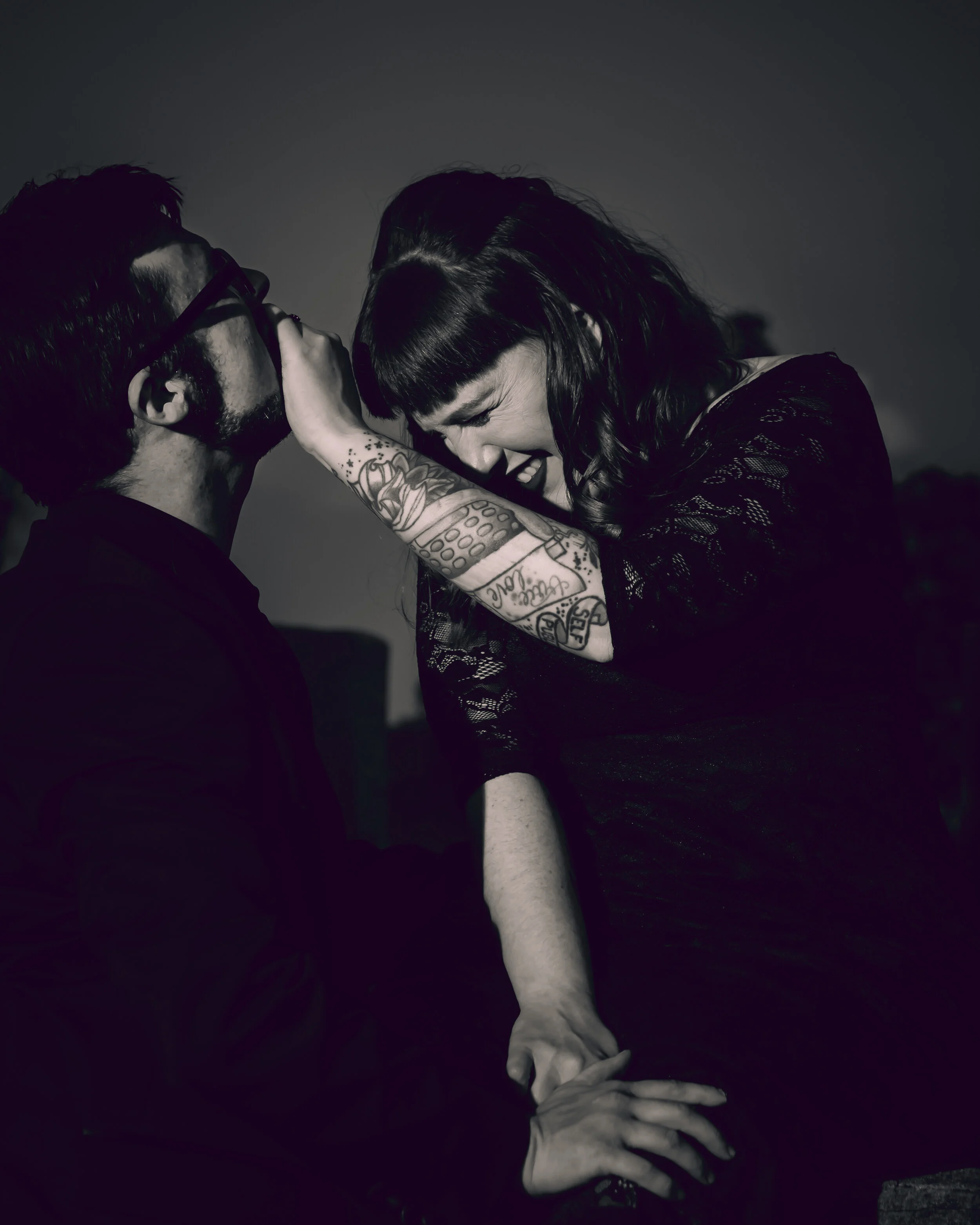
Indus Tennessee (band), Cookeville, March, 2019
I was scrolling through old photos on my phone, and I came across the cover image for this post. The image is of my friend Michelle performing with her band; it’s probably one of my favorite photos that I've ever taken.
Before I tell you the story of how I got the shot, you need to know four things:
At that time in my life, things were going terribly.
This story takes place on the weekend before Match Week, 2019.
Match Week is the week when all the graduating med students find out where they’re going for residency (or if they even have a place to go).
I’d graduated from medical school a few years before and had already failed in the match a few times, so I didn’t have any hope that the odds would be in my favor.
STORY TIME:
A few months before this, I met Michelle and Kyla at a Blues dance event in Atlanta, and she had invited me to visit. Blues dancers are a friendly bunch, but who invites a total stranger to visit their hometown? Apparently, Michelle does, and she was serious about it. So we picked a random weekend in March, and pretty much forgot about it.
About two weeks before the trip, it finally dawned on me that this trip was happening right before Match Week. On the first day of Match Week, everybody finds out if they matched into residency, and on the last day, everybody finds out where they're going. If that first day doesn't go well, you pretty much spend the rest of your week in front of a computer or your phone trying to find any available slot.
I’d started to have second thoughts because of Match Week and several other factors, but I ultimately decided to go. I figured that I’d be better off having a great weekend with friends instead of waiting around for the inevitable. So I packed my bags and off I went.
The trip up the mountain was terrible. I knew that it was going to rain, but I was not prepared for how heavy the storm would be as I drove up the mountain that night. When it wasn't raining, the fog was so heavy that I couldn't see more than a few feet in any direction. Cell reception and GPS were also spotty. I was terrified that I was either gonna fly off the edge of the mountain or crash into an obstacle that I couldn’t see.
After the most terrifying drive of my life, I finally made it into town. The three of us met up at a local bar, where the band was performing. I’d brought my camera with me and I was taking some pictures of their performance. I remember struggling a lot that night because the air was still pretty cold, and it was fogging up my lens. I was frustrated with most of the shots from that night, but when I saw this one on my computer the next morning, I knew that it had all been worth it. The fog had created this dream-like effect that really brought the image together.
The rest of the weekend went pretty well, but it was nothing like that first night. I got into Georgia late Sunday night. When I woke up on Monday, I learned that I had finally matched into a residency program.
Every time I see this image, I remember the challenges I faced that night to get the shot. More importantly, I remember all the things that were tied to that moment, that the photograph doesn’t show.
A good photograph will freeze a moment, but a great photograph will anchor your life.
Looking back all these years later, I think of this picture as a metaphor for life. After the storm, you might still struggle through the fog and the darkness, but eventually, you're gonna make it to the other side, and it will all be worth it.
Creating Lighting Accommodations for Guests with Photosensitivity

Image courtesy of Unsplash
Choosing a photographer is one of the most challenging aspects of planning a wedding. The right photographer can help make your day inclusive for all your guests, including those with photosensitivity. When you're considering hiring a photographer, here are some things to consider.
1. Communication is Key
When you're considering hiring a photographer, it's better to have the conversation upfront and let them know that some of your guests ' photos are sensitive. This is very important because bright and intense lights can cause pain and irritation. This will make your guests grimace and frown throughout your photos. More importantly, bright lights can aggravate certain medical conditions (e.g., seizure disorders, porphyria, etc.) and can cause problems for patients on certain medications (e.g., antibiotics and anti-inflammatory medications) as well.
It's generally better to avoid medical emergencies whenever possible. You can also consider informing your guests about the ceremony set-up and lighting plans with the photographer ahead of time so that they can make their own necessary adjustments. This is especially important if you're planning to have an outdoor ceremony in the early to mid-afternoon. Depending on where you are in the world, sunlight is brightest and most intense from around 11 AM to 4 PM. Usually, people with photo sensitivities already know how to manage their triggers, but they would be much better equipped if they had this kind of information ahead of time.

Using the light
This image was done in ambient light. The skylight helped to light one pocket of the room which was coincidentally next to the mirror. Having some of the light reflect off the mirror back to the couple helped to add some fill to the shot without needing to use flash. The groom working in film, so we added in a cinematic color grade in post-production.
2. Ask About Lighting Approach/Modification
Every photographer has a different lighting approach. It's often better to avoid harsh, direct lighting for photosensitive guests. Ambient/natural light photographers are often very good at doing this. However, lower ambient light levels can result in more grainy images if your photographer only shoots ambient light and your ceremony is later in the day. Grainy photos aren't necessarily bad. They can be a deliberate aesthetic choice that gives your images a more vintage feel.
Some photographers (especially those who use flash) use light modifiers, such as softboxes and diffusers. Flash photographers can often bounce the light off ceilings or walls to create a gentle and even lighting environment. I shot an event with several photosensitive guests, so one of the techniques we used was to point the lights more directly at the ceiling, which was painted black. This helped reduce the amount of light that was being reflected to the guests. When discussing your vision for your wedding day, asking about their lighting approach can be helpful.
For some photosensitive people, the flashing light itself may be the trigger. It can be helpful to discuss whether constant lighting from the venue or with lighting panels provided by the photographer may be a more appropriate option. Lighting panels are often larger in profile and therefore harder to remove in editing. Things move quickly during your wedding day, and certain critical/emotionally resonant moments may occur in places where the lighting isn't perfect or your photographer may find it difficult to edit out the light source. If you and your photographer decide to use constant lights, you must weigh the importance of having a picture-perfect, idealized image versus having the moment exist.
3. Consider Visiting the Venue
In some situations, it can be helpful to consider visiting the venue with your photographer and/or the venue manager. Alternatively, you can consider having the venue manager record a video of the typical settings of the house lighting at different points in the day. Some venues generally have lower/moody light settings, while others keep the room well-lit. This can help your photographer plan for the lighting scenarios they will most likely encounter. It also gives you a chance to discuss potential accommodations with the photographer and the venue ahead of time. Lastly, it may also inform how your photographer edits the final images. Creating the right lighting scenarios during the event is more beneficial for you and your photographer because it minimizes the amount of post-production work necessary to render your final images.
4. Offer Seating in Shaded Areas
Particularly for outdoor weddings, placing some seating options in areas with less direct light can be a great way to accommodate guests.
Sometimes areas that are slightly shaded with more even lighting can also be good for doing group shots or family portraits. This can help minimize having harsh shadows or blown highlights on some people's faces and not others.
5. Offer Lighted and Non-Lighted Times
Consider whether you want/need additional light for all aspects of your ceremony or reception. Setting up times when there will be additional lighting might also be an option. The caveat is that it may create extra work for your photographer when it comes to editing. Having specific segments that are clearly lit by flash/Supplemental light and others that are purely ambient increases the chances that your images will not have a consistent look throughout.
Having all of these accommodations is not always feasible or practical, but they are worth considering wherever possible. Prioritizing the well-being and comfort of your guests enhances the overall experience and ensures that everyone can fully participate in and enjoy the event.
Look at the Camera like It's Someone You Love
You might not be famous, but you'd likely want a photo of yourself that you love. Here's a simple exercise to help you feel more at ease in front of the camera: If you loved your photo, who would you show it to?
Being in front of the camera can be scary. Frankly, it’s unnatural to have a device shoved in your face that can create a version of you in a flash. That kind of experience is only typical for celebrities and politicians and many of them don’t like the experience either. The difference is that they’ve had tons of practice at looking a certain way when they know their image is about to be captured.
You may not be a celebrity, but you would probably love to have an image of yourself that you love. So, here’s a simple exercise that can help you get more comfortable in front of the camera:
If you Loved your IMAGE, who would you share it with?
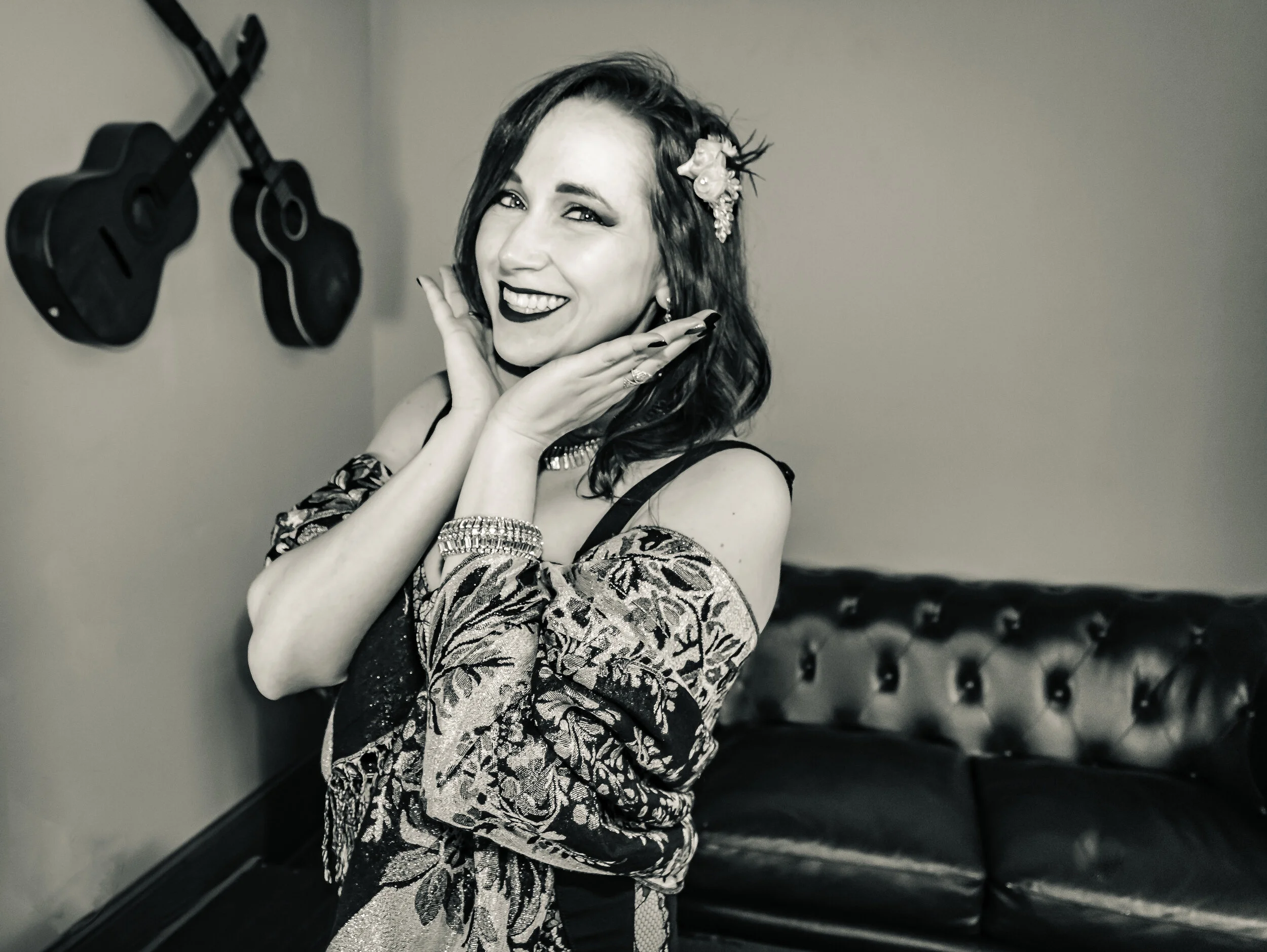
Francine, Macon, GA, circa 2016
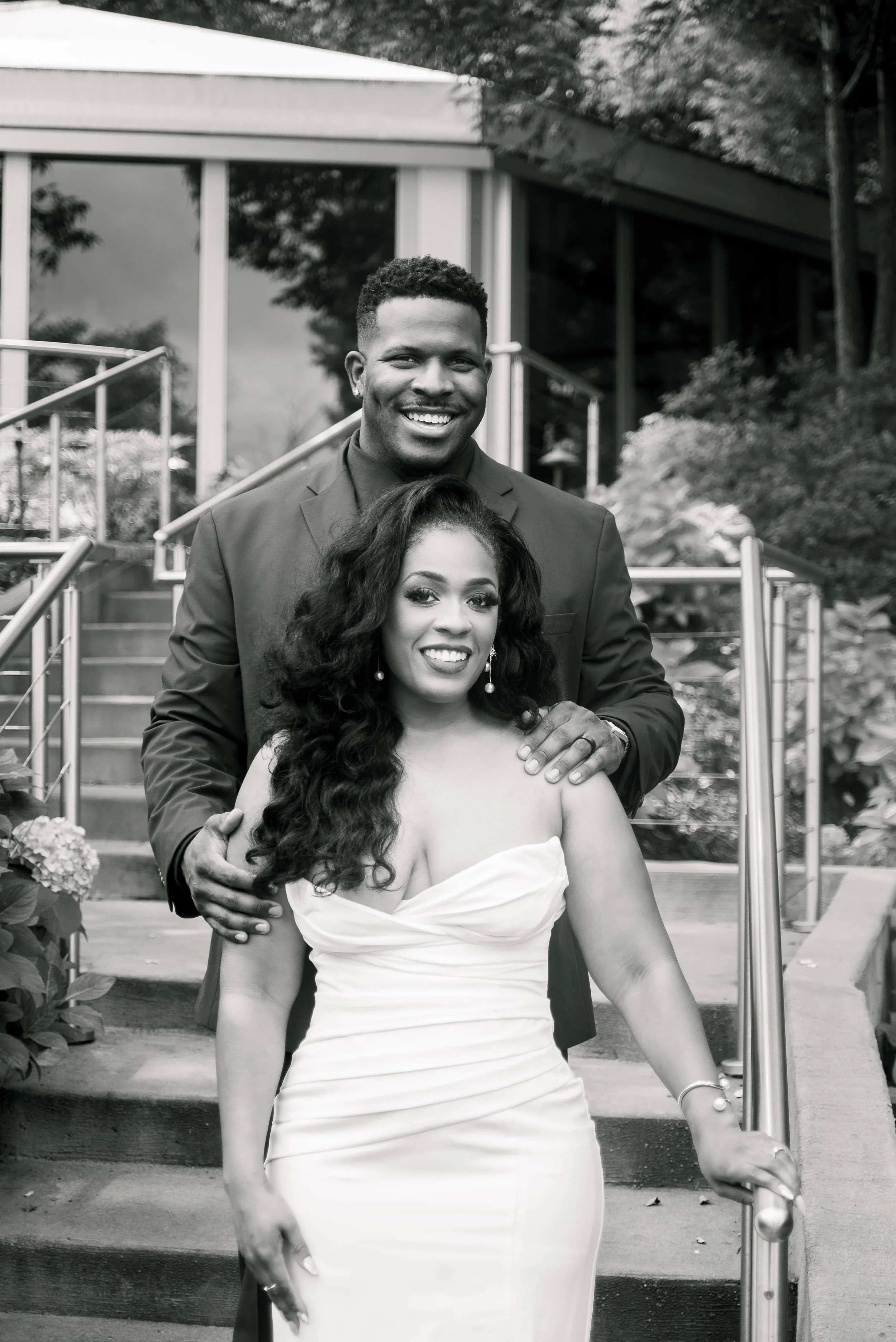
Delilah and Nicholas, Bridal Portrait, Atlanta, GA, 2024
Almost no one shares images of themselves that they hate. But chances are, if you loved a photograph of yourself, there’s at least one person you’d want to share that image with. Maybe this person is your best friend, spouse, sibling, crush, or even an ex you want to make jealous. Whomever it is, when you take your next photograph, picture that person and then...
Act like that person is standing where the camera is.
If the person you’d share your portrait with was your best friend, it’s unlikely that you’d look uncomfortable in front of them. In fact, your body language might become more relaxed, your smile might become fuller, and your personality might show up more at the thought of that person.
Picturing the person you love turns out to be really easy for weddings and couples sessions because the person is usually standing right there looking at you with love and adoration. This is part of why first looks can be so powerful on a wedding day. This also works for posed portraits, such as the image on the left.
The reason this works is because photography is like time travel. Everyone who views an image sees it from the perspective of the camera and is instantly transported to the moment the image was created. How you show up in front of the camera is how the viewer see you. Maybe the viewer is your kid….or even you in 50 years. Either way, all you have to do show up in that moment for someone that you love.
Coping with Grief and Loss on Your Wedding Day
Grief can come from more than just death; it often stems from difficult relationships, especially in the LGBTQ+ community where families may not provide acceptance. This pain is deeply felt during wedding planning and celebrations, where the joy of love is clouded by the absence of those who are missing.

Image Source: Unsplash
In my clinical work, I’ve seen the many ways that grief and loss affect important milestones. It lingers in the laughs you can no longer hear, in the smiles you can no longer see, and even in the arguments you can no longer have. Most people readily think about grief due to the deaths of loved ones, but grief can also come from strained relationships. This is particularly true for members of the LGBTQ+ community whose birth families may not be accepting of identities.
This kind of absence has most palpably felt during the preparation for and celebration of a wedding. The mix of joy and sorrow can be overwhelming as you navigate the complexities of celebrating love while mourning the absence of a loved one. Here are some strategies to help you cope with grief on your wedding day:
1. Acknowledge Your Feelings
In the best-selling novel The Fault In Our Stars, John Green has this very pithy saying, “Pain demands to be felt.” Allow yourself to feel whatever emotions arise. It's okay to grieve even amidst celebrations. Recognizing and accepting your feelings can help you process them in a healthy way. It can sometimes sneak up on you in unexpected ways, even if you've done a lot of processing already. If you’re grieving someone on your wedding day, it helps to think of grief as a sign of your heart’s capacity for loving someone. for some, that may be a gift in itself.
2. Create Remembrance
It's important to create space for your grief, both emotionally and physically, if possible. Incorporating tributes throughout the wedding to honor and remember your loved one. This could be setting aside a seat, wearing something of theirs, or playing their favorite song. These gestures can help you feel their presence. In the very first wedding ever shop professional, the bride’s mother passed away. The couple chose to honor her with a small candle display next to the lounge area of the venue. I thought it was the sweetest thing, and it has stuck with me ever since.
3. Lean on Support
Surround yourself with understanding family and friends who can provide comfort and support. Having someone to talk to or lean on during emotional moments can make a significant difference. Family isn't made but blood alone. It can also be made by the space people occupying your heart. The holes that grief leaves don't feel quite so big when you've got a support network around you.
4. Take Breaks
Give yourself permission to take breaks if you feel overwhelmed. Stepping away for a moment of solitude can help you recalibrate and center yourself amidst the festivities. Honestly, taking breaks is so important and often overlooked in wedding days. Irrespective of whether or not someone is grieving, planning breaks into the day is something that I always recommend for the couples that I work with.
5. Seek Professional Help
If you find the weight of grief too heavy to bear, consider seeking the guidance of a therapist or counselor. Professional support can offer you coping mechanisms and strategies to navigate your emotions. These days, there are tons of services and resources online to help you get started. One option that I usually recommend for my patients is Psychology Today (not sponsored). You can filter search results based on a number of factors, such as insurance networks, the availability of remote options, etc.
6. Embrace Moments of Joy
Allow yourself to experience moments of joy and happiness during your wedding. It's okay to laugh, smile, and celebrate love amidst the sadness. Most people would want you to be happy even if they're not there to celebrate with you. Finding a balance between grief and joy is key to honoring all your emotions.
8. Reflect and Remember
After the wedding, take time to reflect on your experience. Journaling, creating a memory box, or visiting a special place can help you continue to process your feelings and cherish the memories made on your wedding day.
Grieving on your wedding day is a deeply personal journey, and there is no right or wrong way to navigate it. Remember that it's okay to feel a range of emotions, and honoring your grief does not diminish the love and happiness you feel. Be gentle with yourself during this time, and trust that you have the strength to find moments of peace and comfort, even amidst sorrow.
Three Reasons to Love Folio Boxes
Folio boxes offer unique flexibility, differing from regular albums and wall art. They allow easy customization and reordering of prints, enabling the creation of different sets for special occasions and versatile displays. Ideal for those who appreciate variety, folio boxes let users change displayed images to match decor or mood, maintaining a lively, evolving showcase.

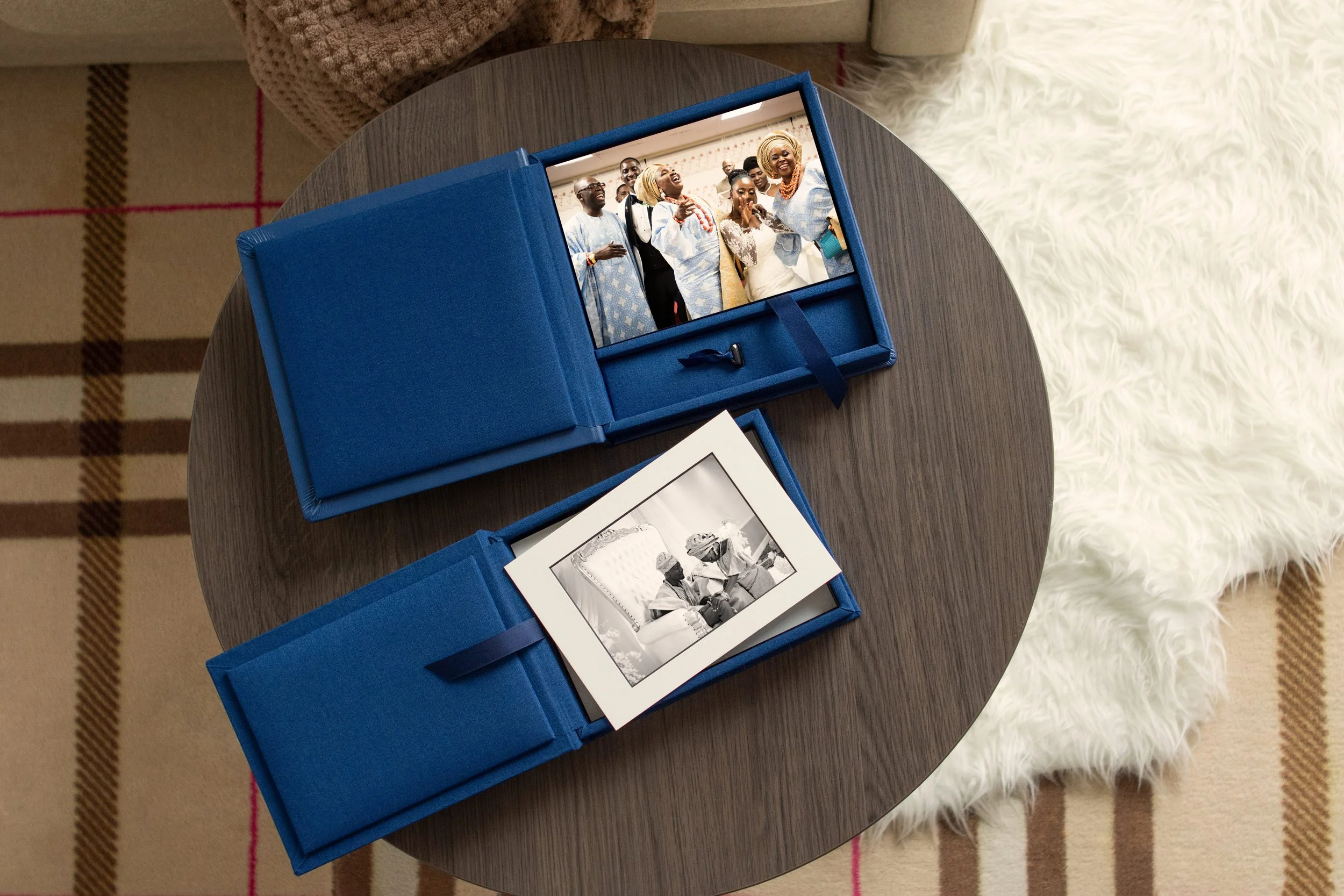
Sample folio box with USB
Choosing your photographer is probably the hardest decision; next is deciding how you want to display your images. It’s great when you’re sure what you want, but some folks don’t know what they want. Whenever I work with a client who is not quite sure of what they’re looking for, I recommend folio boxes.
Folio boxes offer a unique versatility that differentiates them from traditional albums and wall art. Unlike albums, folio boxes allow for easy customization and reordering of prints. You can swap out images, create different sets for various occasions, and display their prints as you see fit. This flexibility makes folio boxes practical for those who value variety and adaptability in showcasing their photographs. The most common way people use the folios is to switch out the images on display periodically. You can easily switch out prints to match your decor or mood, creating a dynamic display that evolves over time.
Here are three other ways that you could use your folio box:
Venue Decor
This option is particularly excellent for weddings and other parties. Use the images from your portrait or engagement session to mark off stations such as food, drinks, and lounge areas at your event or party. You can also use them to mark off individual tables for your guests.
They make great Gifts.
Folio boxes are great for sharing memories. Unlike wall art, which will most likely live solely in your space, you can give individual prints as gifts to loved ones such as parents and grandparents so that they can have a piece of the celebration with them as well. This versatility ensures that the photographs remain accessible and cherished by all the people who matter to you.
Use The Box for your new memories.
Once the images have been hung, gifted, or displayed, the one thing that remains is the box itself. Use the empty box to collect new mementos of your life in the years to come. Unlike that old cardboard box that you put in storage and forgot about, your folio box is beautifully crafted and will feel right at home in your living room
Ultimately, folio boxes provide a balance of customization, versatility, and tactile experience that make them a unique choice for displaying and preserving memories. Whether you’re using them to showcase a special event, document a milestone, or simply enjoy everyday moments, folio boxes offer a practical and meaningful way to keep your memories alive for years to come.
Love and Other Things

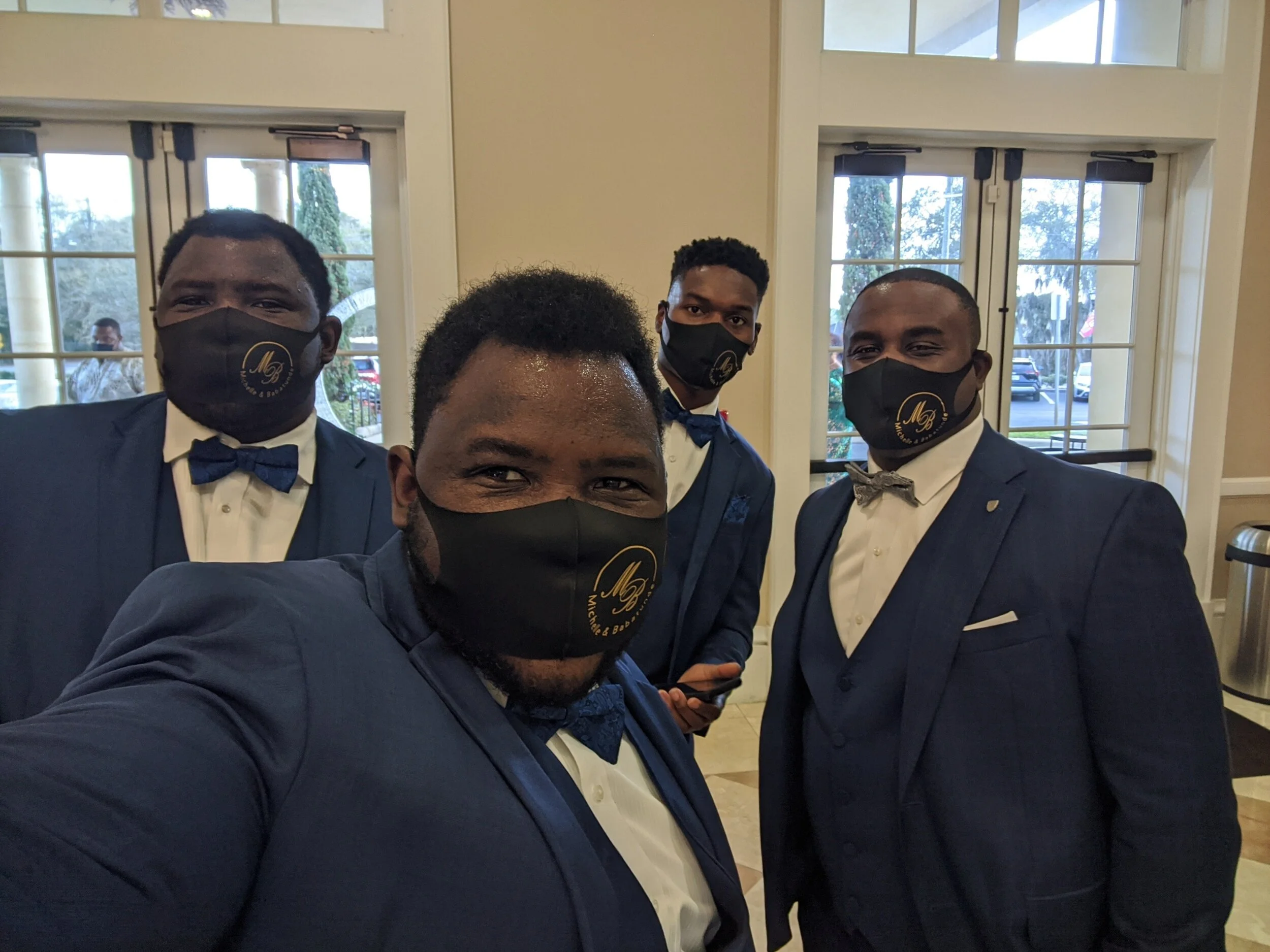
Ironically, the Groom isn't in this picture because he had other duties to attend to.
It’s Valentine's Day, and I'm at the airport in Tampa watching seemingly unattached people and families make their way to and from their final destinations. I can't help but think what love looks like in their lives.
Over this weekend, I was blessed to stand with my cousin as he took his wife's hand in marriage. In between the festivities, last-minute runs to JoAnn's Fabrics to find notions and basting tape, as well as many other situations, the guys and talked a lot about love and life. Some of us are in the process of self discovery, some have wisdoms they've gleaned along the way, some are just not sure of anything anymore, but we're all still figuring it out.
Love is a complicated thing. Sometimes it's easy as getting butterflies in your stomach whenever you see a person. Other times it's hard like choosing between two or more options that are less than great because you know it will benefit someone you care about.
Whatever love looks like it your life, I hope it continues to grow you into a better version of yourself.
Happy Valentine's Day to you all.
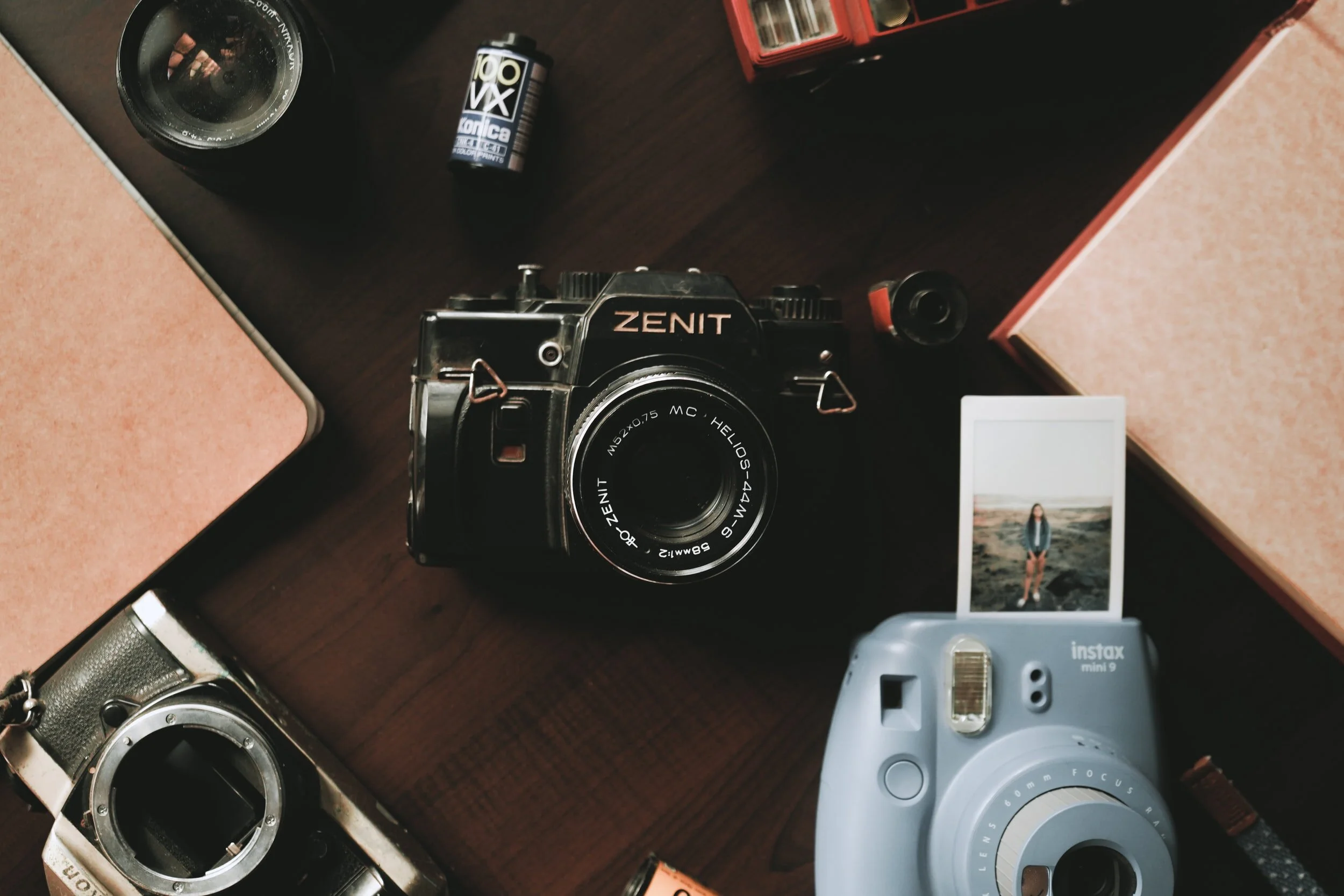
How To Choose A Camera
Hello Beautiful People!!!
I can’t believe January is already done! Boy, did it go by fast!!! I meant to start updating the blog earlier in the month, but I had to fall back for a while because of personal stuff, work stuff (from the other life) and prepping for a concept shoot that I was submitting for a competition (more on that another time).
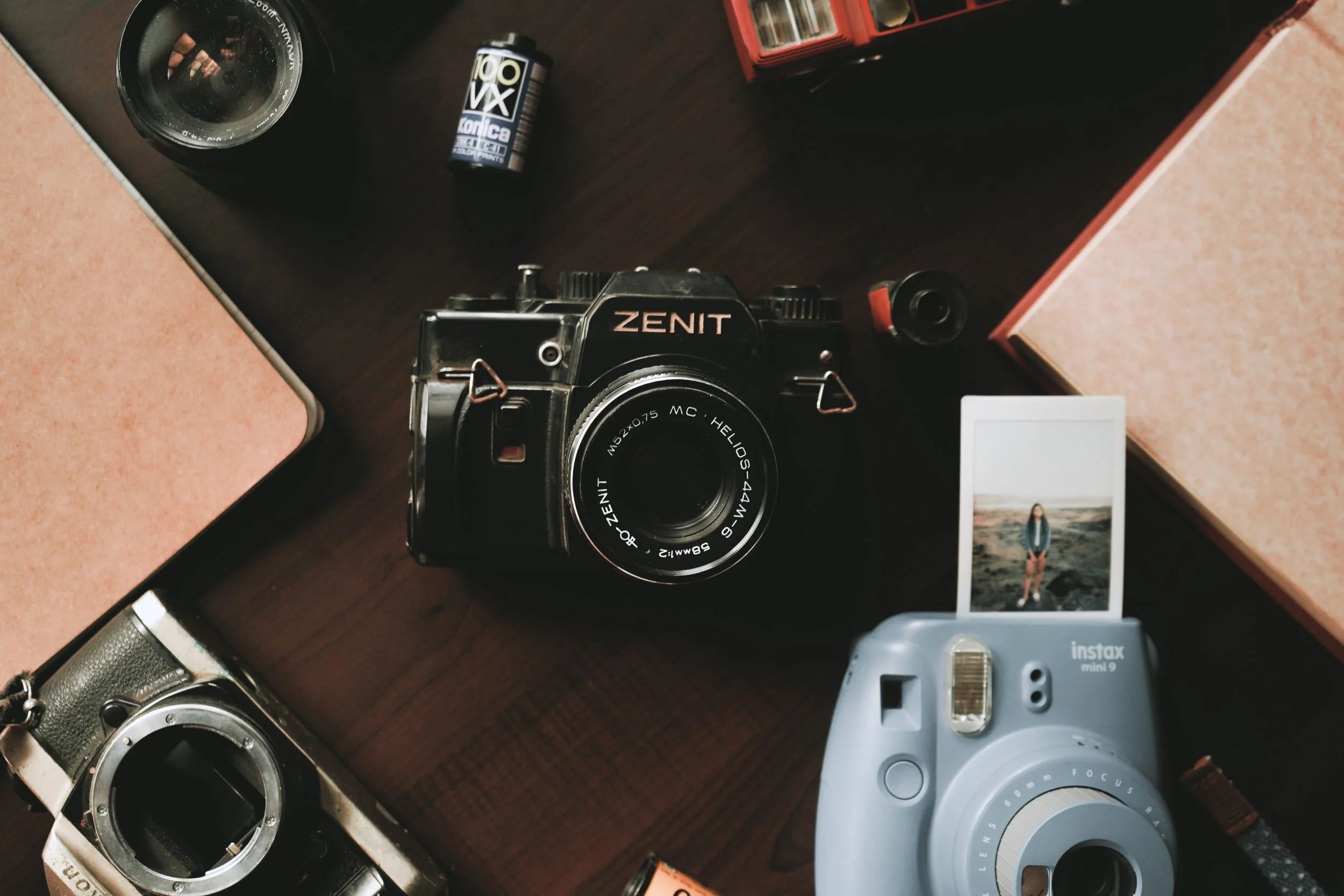
Since it’s still relatively early in the year, people naturally have resolutions or want to make intentional changes to their lives, which often includes picking up a new skill. For the soon-to-be shutterbugs in my life, that means that I’m their de facto camera consultant.
As a rule, I don’t have a go-to camera that I recommend for people because there simply is no perfect camera. They all have trade-offs. Hence, the best camera is the one you have available (which for most people is likely their smartphone). However, I do have a general rubric to help people decide what camera is best suited for them. It goes something like this:
Step 1: What’s Your Budget?
By and large, this tends to be the biggest rate limiting step. Most newly-bitten shutterbugs are surprised to learn that cameras, lenses, other gear can get pretty pricey pretty fast. It’s best to go into your camera buying decisions with a clear sense of how much you want to spend and how much you want to spend. Many entry-level DSLR cameras (e.g. Micro 4/3rds and APSCs) come with at least one lens, but for higher end cameras (e.g. Full Frame and Medium Format), the bodies and the lenses are typically sold separately. Lower tier cameras typically start at a few hundred dollars (generally between $300 and $800) but higher cameras can start at $1200 or more for just the body (and that might be for a used body)!
Speaking of which, you consider whether or not your camera needs to be brand-spankin’ new. You can find great deals on used gear in good or even mint condition through sites like KEH* or one of their competitors. If money is no object, then you can theoretically get whatever camera you want and damn the consequences, but you’re probably still gonna be better off having an idea of what you want to do with the camera before buying it.
Step 2: What Do You Need A Camera For?
Are you looking to pick up photography as a new hobby? Do you want to document precious family moments, adventures, etc? Do you want to start a vlog? Or do you want build a career making and taking images for a living? All of these things make a huge difference in deciding which camera is right for you.
For example, if you plan to start a vlog or take a bunch of selfies with your loved ones, then one of the important features your camera needs is a fully articulated screen or a screen that tilts a 180 deThis a screen that flips completely out to the side, up above, or down below your camera so that you can see yourself in real time. Many entry-level and mid-tier cameras have this capability but that feature is harder to find on higher end cameras.
Step 3: How Often Do You Plan to Shoot?
Even if you’re picking up photography as hobby, this is worth considering. There are serious hobbyists who shoot relentlessly and have the skills and expertise to justify having a top of the line camera. But if you’re only planning to shoot few times a year, then it doesn’t make sense to get a camera with a lot of bells and whistles that you won’t understand and don’t need. However, if you plan to become a serious hobbyist or even a professional, then it’s probably better to get a higher end camera that you can use for many years as you grow in your craft.
Step 4: What Other Limitations Do You Have?
Lugging around cameras and lenses all day can get pretty tedious. If you have chronic back or joint pain, that can exacerbate the problem. Alternatively, you might be the type that likes to travel and wander through dangerous places. Having a big bulky camera in those situations could be like putting up a “Please Rob Me” signal. In both of these situations, having a camera with a smaller profile, like a Micro 4/3rd or even a smaller point-and-shoot camera could be beneficial.
Personality quirks are worth considering as well. Are the kind of person, who just wants to take the shot and and keep moving? Or would rather meticulously craft every detail of the frame, picking the exact lens, compositional elements, depth of field, etc? If you’re more the former, it’s may be better to keep your options more limited. In that scenario, it may be more beneficial to buy a single lens (if your camera allows you to change lenses) or get a camera that has a fixed lens system.
In the end, there’s no perfect camera; there’s just one that’s right for you and where you are in your photographic journey.
*(I’m not sponsored by KEH, but I like them a lot and I’ve never been disappointed using their site.)
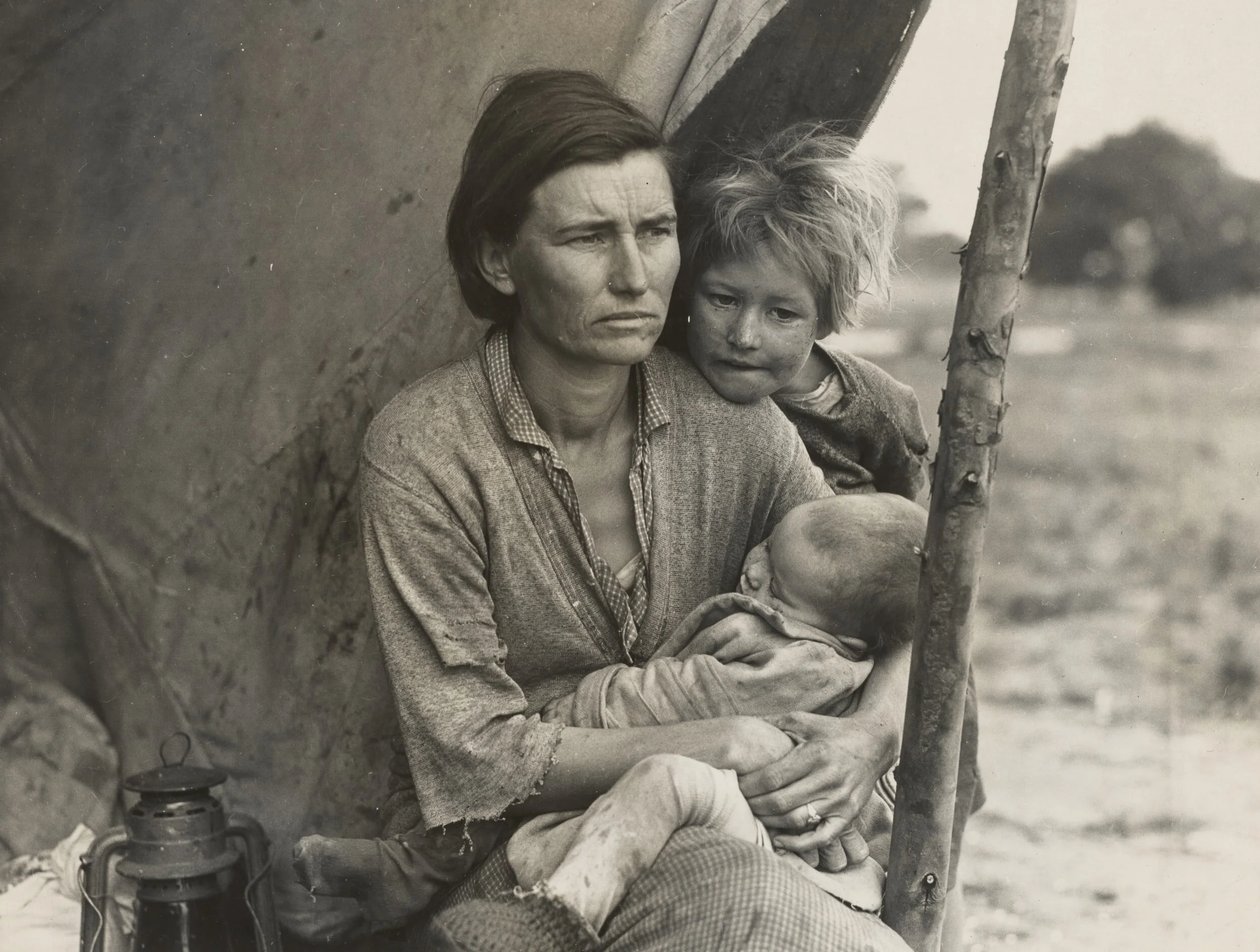
Inspirations: Migrant Mother
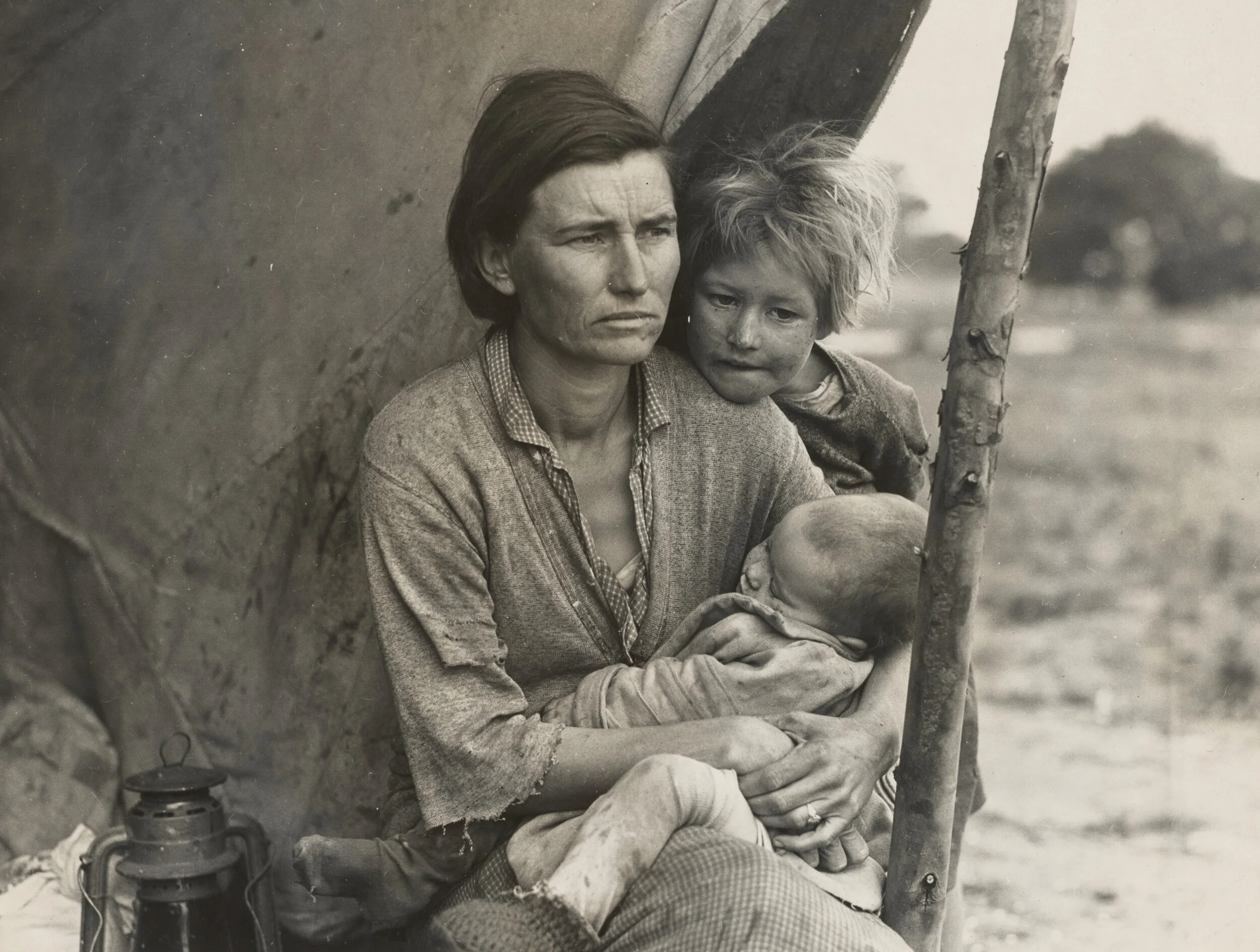
Migrant Mother by Dorthea Lange
This woman’s face is famous.
It’s perhaps one of the most famous faces in the history of photography. It belongs to a woman named Florence Owens Thompson. Captured by photographer Dorothea Lange, the series of images with Thompson and some of her children have come to be known as Migrant Mother.
The real story of how these images came to be varies depending on who you ask (see here and here), but two things are not in dispute. First, Thompson and her family really were migrant farmworkers in California at the time. Second, this image left an indelible mark on a nation hungry to escape the aftermath of The Great Depression.
Thompson and her family have a conflicted relationship with these images. The images accurately depict how hard life was for them in those days, but doesn’t show everything about who they were and who they became. It doesn’t show how much these images served as a totem of strength many people who have gone through similar circumstances. It doesn’t show how much the images moved powerful forces on behalf of the vulnerable and marginalized among us.
I think about the images often these days because of the pandemic and all that it has wrought on so many people. Disasters (both natural and otherwise) have a way of showing us how fragile we truly are and yet how strong we can truly be. There are hard days ahead for many many people. With any luck, we will find the strength to keep going until things get better.
Inspirations: Gordon Parks
Gordon Parks has been one of my favorite photographers for a long time. I’d been looking for way to discuss his work and its impact, when I came across this video from The Nerd Writer on Youtube and I think he does a stellar job of explaining Parks’ impact on photography and the .
A few summers ago, I got to view some of his work up close through an exhibition at the Art Institute of Chicago. Incidentally, this was the same the day that I saw Mikki Ferrill’s work for the first time. The thing that’s perhaps most fascinating about Parks’ work is the level of intimacy he develops with his subjects. The exhibition I saw featured some of the work he did documenting the lives of Malcolm X and members of the Nation of Islam during the Civil Rights Era. Some of the images were definitely unsettling and really serve to highlight the internal and external stresses of the political landscape of the time.
Parks’ work is unflinching. It’s difficult to remain unchanged when looking at it. I truly envy the amount of trust he built with his subjects. It’s something I will forever aspire to.
Elizabeth and Blake: Mutual Weirdness Forever
Disclaimer: I meant to post this on Halloween, but you know, there was that thing where we all choose the person who’s gonna run the country. It was a stressful time, now I’m finally coming up for air.
It's a such a beautiful when two people find love in each other. It's even more powerful when they choose to be open to loving again despite past heartbreaks. Elizabeth and Blake met under very difficult circumstances. They had both been through terrible break-ups that left the kinds of wounds that don't heal easily. But in the midst of all of that, they found each other. And they found friendship, and they found love. It's been a personal joy of mine to watch their relationship grow and watch them build a beautiful life together. May we all be so fortunate to find love and joy even in the worst of times.
When they first told me they were getting married, I couldn’t help my excitement. When Elizabeth told me they were planning to get married on Halloween, I quipped “You can do an Addams Family photoshoot.” I was half-kidding but then she reminded me that Blake’s last name is Adams.
And just like that, the plan was set. We met up just before golden hour at Rose Hill Cemetery in Macon, GA. It’s a beautiful, historic public cemetery, in Macon with many famous people including members of the Allman Brothers Band.
We started off the earlier part of the shoot in natural light because sun sets beautifully over hill on the far side of the cemetery. As we got deeper into sunset, we switched to flash with a 1/2 CTO gel to keep some of that orange from the sunlight.
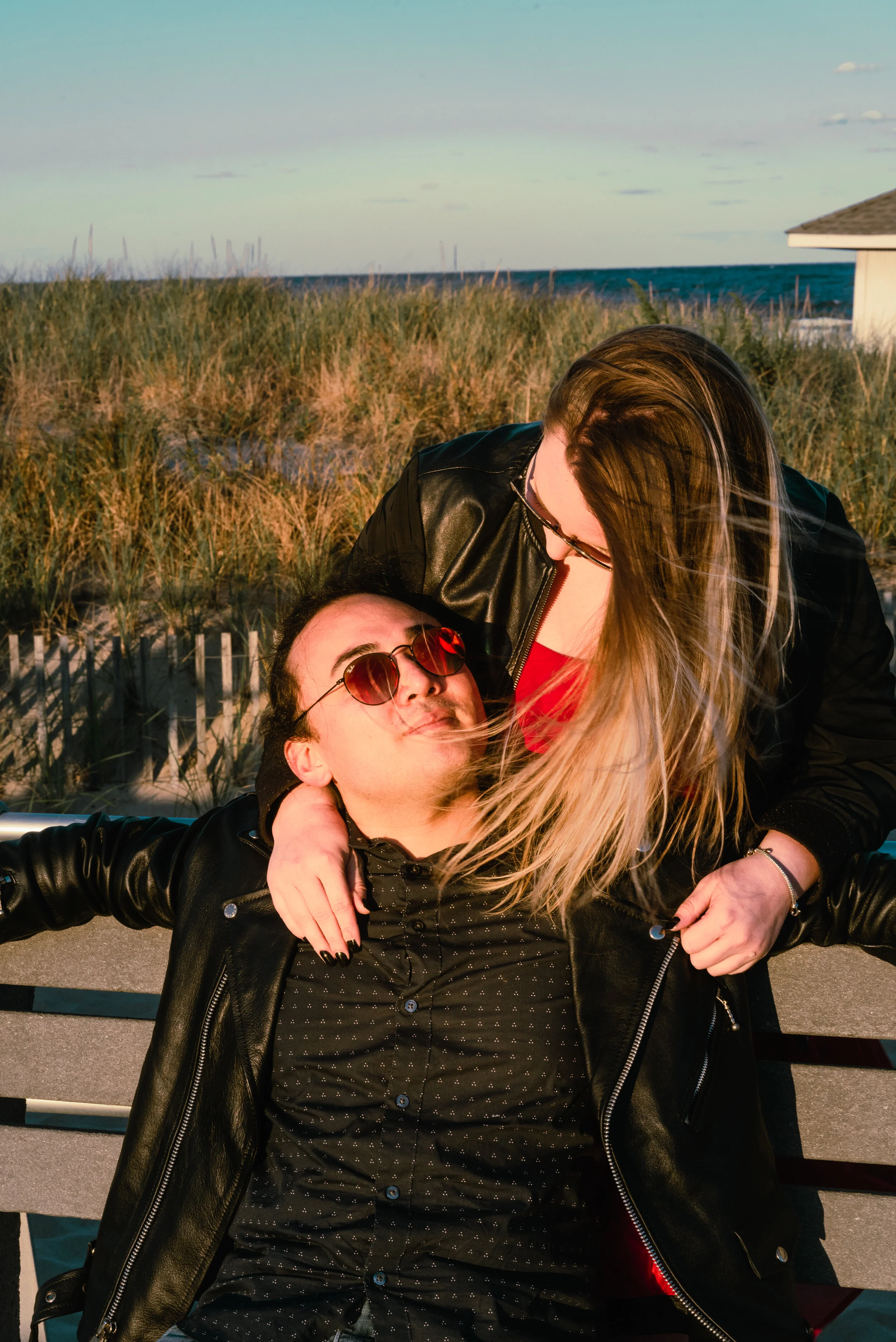
Egan And Ivana


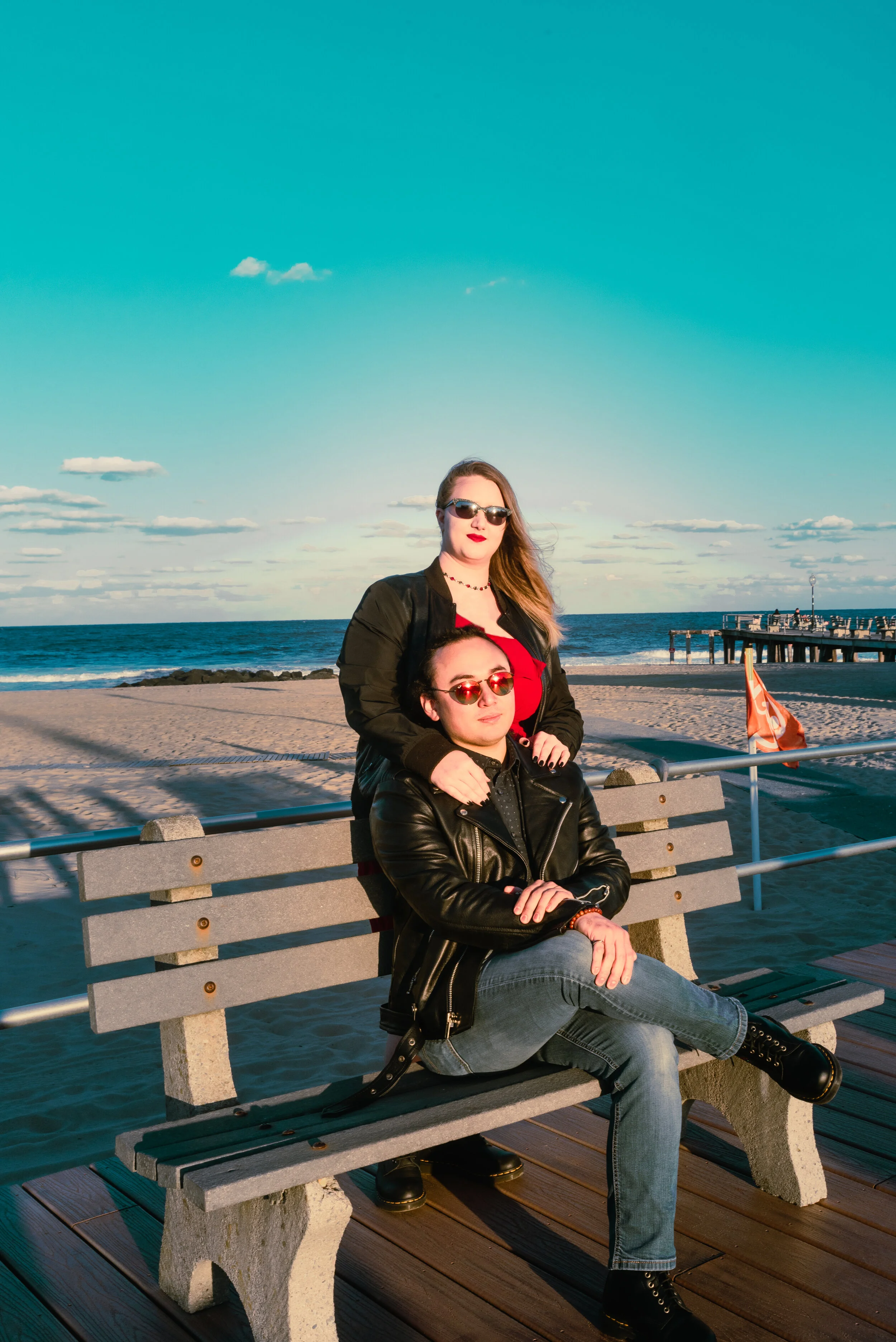


Egan and Ivana among my favorite people on the planet. Ironically, I’ve known Ivana for far longer than I’ve known Egan. And she was an active co-conspirator, every time I’ve used Egan as my guinea pig for lighting experiments, but this is the first time I’ve ever gotten her in front of the camera.
They came out to NJ to visit me, so I took them out to some of my favorite places to shoot along the Boardwalk and Pier in Ocean Grove. We started shooting right at Golden Hour and into the tail end of sunset. The first half of the shoot was done completely in Natural Light and then transitioned to Flash with a MagGrid to limit the spill of and create a more dramatic look.
It was fun to get out there and shoot people pictures again. I haven’t done it nearly as much since the pandemic started. I’ve mainly set about shooting landscapes along the beaches and boardwalks but this was a great way to get the juices flowing.
P.S. Today happens to be Egan’s birthday, so if you see him around the interwebs or in real life, be sure to send him some love.
Someone Else's Problem

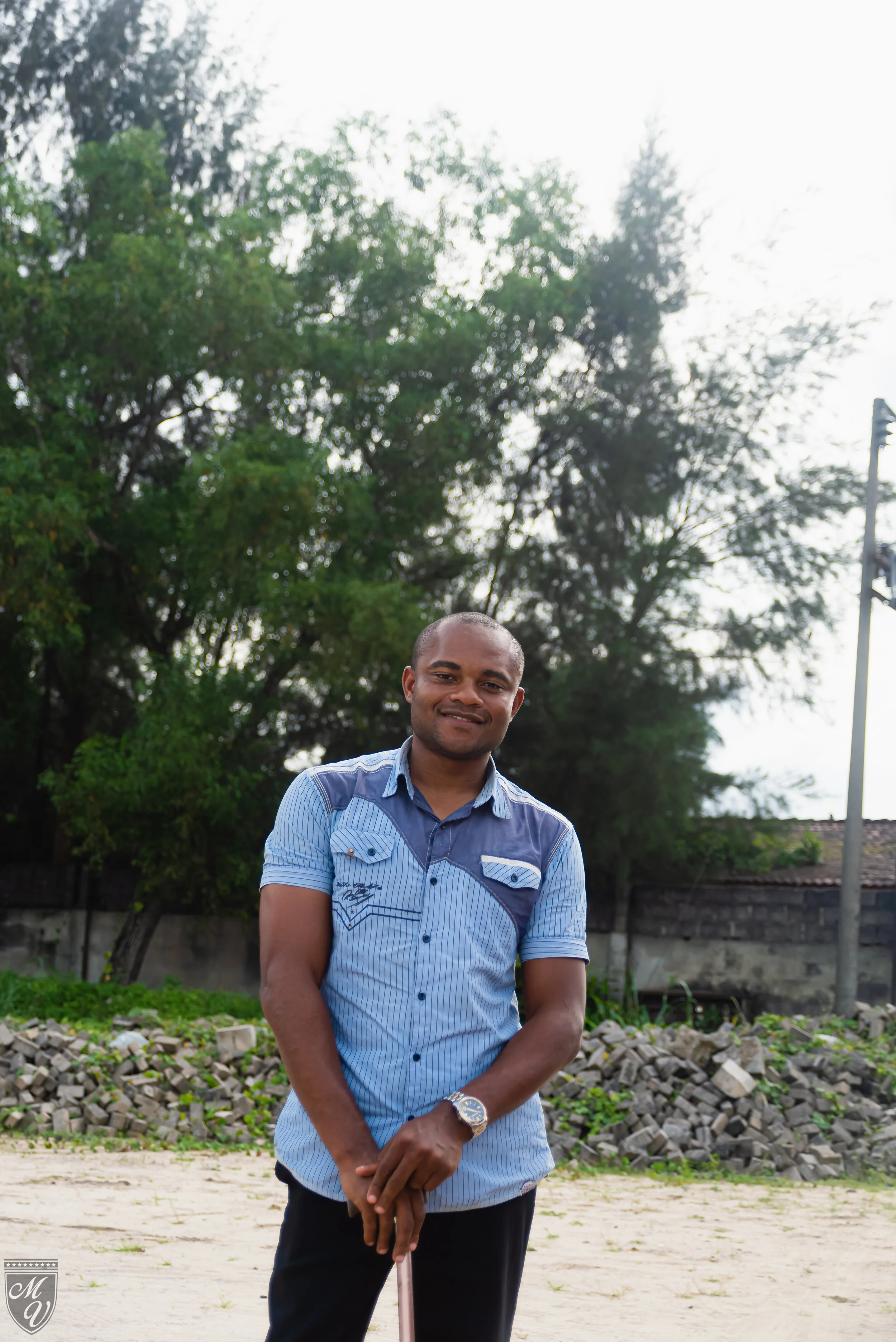
Jacob Driving through Lagos
There's mental calculus that we all engage in when we first meet our rideshare driver: "Do I strike up a conversation with this person, or not?" Usually, in the hustle and bustle of Lagos, Nigeria, the answer is "not." The cacophony of street hawkers, beggars, motorcycles, pedestrians, and other cars trying to bob and weave their way through traffic makes it hard to focus on anyone but yourself. For the life of me, I still don't know why I started talking to Jacob, but I'm glad I did.
I was immediately struck by his intellect. He talked about physics so much that I thought he might have been an engineering student. I was stunned to find out that he had actually been in law school until was struck by a speeding vehicle. This ultimately left him with a limb length deformity (a condition in which one arm or leg is significantly longer the other). He couldn't keep up with school and health expenses, which forced him to drop out. Now, he drives for Taxify (Nigeria's biggest Uber competitor) to make ends meet.

Jacob’s Injury
In listening to his story, I couldn't help but think about the hardships he'd faced and how lucky he was to still better off than most other Nigerians with disabilities. According to the Borgen Project, there are approximately 27 million Nigerians living with disabilities. Most of them (about 70%) have visual impairments or functional mobility limitations. Lack of medical, social, and financial support often leaves them feeling like pariahs - a sentiment Jacob shared, saying "Everyone treated me like I was someone else's problem."
It's hard to shake the truth of that statement. In Nigeria, people with disabilities are often met with a practiced indifference or even open hostility in some cases. His words reminded me of all the people I'd seen on makeshift skateboards and wheelchairs by roadsides that I'd learned to ignore.
Part of this attitude towards people with disabilities stems from the idea that having a disability is a consequence of some sort of spiritual affliction. It does not matter whether it was God or the devil that cursed this person. Whatever forces are believed to be at work in the life of a person with disabilities are best avoided and left unbothered. As a result, many people with disabilities are left reliant on tacit acts of charity.

Jacob
In a world that almost reflexively relegates people with disabilities to begging on the streets, Jacob forging his own path against all the odds. He speaks often of creating a home for people with disabilities similar to the Catholic Mission House where he lived as a child. There he was able to receive care for orthopedic issues related to his left leg. Ironically, it's the same leg that's now permanently damaged because of the car accident he suffered as an adult. In the meantime, he works hard chauffeuring people through the boisterous streets of Lagos, in hopes of fulfilling his dreams.
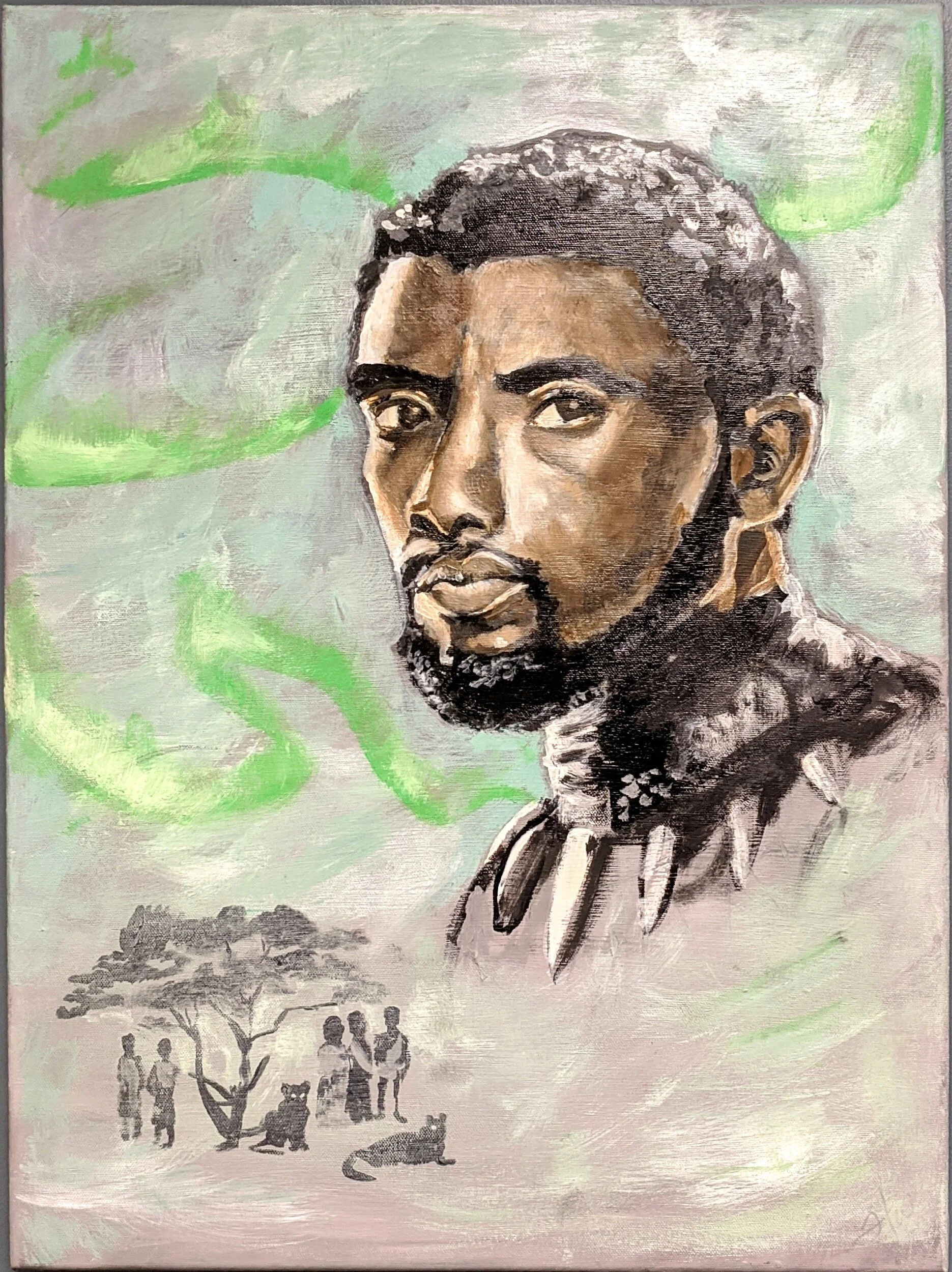
Long Live The King

I've tried so hard to collect myself and my thoughts after learning the news of Chadwick Boseman's death. Much like you, I'm as stunned by his passing as I am by the body of work he put out while battling such a life-threatening disease.
It didn't occur to me how much Boseman and his work impacted my life until a patient randomly offered me condolences. I was initially confused until the patient pointed to the painting in the image above.
The painting was given to me by a friend after a fundraiser that we’d done to take kids at the Methodist Children’s Home to go see the film. I’m floored by the generosity of the people who made it all possible. The privilege to have been a part of that moment has a new gravitas in light of what we now know.
If there's anything I have learned from Boseman's life, it's to build with purpose while you still have time. From reading tributes and memories from his friends in the industry and those who knew him back when he was a student at Howard University, it seems like he always knew that he was going to leave a legacy. It seems he was every bit the king he portrayed.
The King is with the ancestors now, but he’s with us as well. Long Live The King